Freedom250: When America Turns Its History into Global Storytelling and Why It Matters Beyond Its Borders

As the United States approaches the 250th anniversary of the Declaration of Independence, a major national initiative is taking shape: Freedom250. Far more than a commemorative campaign, it represents a coordinated federal effort to celebrate American history while actively shaping how it is narrated, both domestically and internationally

At its core, Freedom250 reflects a broader strategy of public storytelling, where history, media, and diplomacy intersect. And while it is rooted in the United States, its messaging inevitably resonates far beyond its borders, including in countries like Tunisia, where questions of media influence, public discourse, and international cooperation remain highly relevant
A federal initiative built around national storytelling
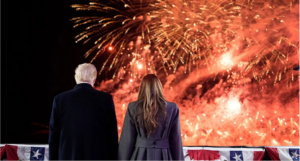
According to official U.S. government sources, Freedom250 is part of the national preparation for the Semiquincentennial, the 250th anniversary of American independence. It is coordinated through a federal framework involving the White House and interagency task forces dedicated to the milestone
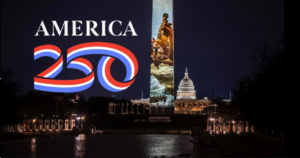
The General Services Administration (GSA) further describes Freedom250 as a government-wide effort that translates this commemoration into visible public action: decorated federal buildings, commemorative installations, official events, and symbolic representations of American history across public spaces
Together, these elements form a structured narrative strategy: not only to celebrate history, but to actively curate how that history is seen and remembered

Traditional media at the heart of the campaign
Freedom250 also relies heavily on traditional media channels. Television, radio, print journalism, and official press releases play a central role in disseminating the campaign’s messages
Through these channels, themes such as democracy, liberty, civic identity, and national unity are consistently highlighted. These narratives are then amplified through digital platforms and social media, ensuring both domestic reach and international visibility
In this sense, media is not merely a communication tool, it becomes a vehicle for national storytelling and public diplomacy
A global dimension reaching countries like Tunisia
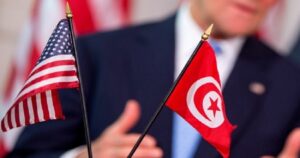
Although Freedom250 is a U.S. national initiative, its impact extends into international public diplomacy. The campaign highlights global partnerships, educational exchanges, and cultural cooperation programs that reflect American values abroad
One key example is the International Visitor Leadership Program (IVLP), a flagship U.S. exchange initiative that brings emerging and established leaders from around the world to the United States for professional and cultural engagement
For countries like Tunisia, such programs are part of a broader ecosystem of cooperation that includes journalism training, institutional partnerships, and policy dialogue. They contribute to long-term people-to-people connections between American and Tunisian professionals in media, governance, and civil society
Storytelling as a tool of soft power
Freedom250 illustrates a growing global trend: the use of national history as a soft power instrument. By combining federal institutions, traditional media, digital platforms, and international exchange programs, the United States is shaping a unified narrative that connects its past to its global role today
This approach also invites reflection in partner countries. For Tunisia in particular, it raises broader questions about how national narratives are built, how media contributes to shaping public understanding, and how international cooperation influences domestic discourse
In the end, Freedom250 is more than a commemorative milestone. It is a large-scale storytelling framework that blends history, media, and diplomacy into a unified narrative of American identity
While rooted in the United States, its reach is global, engaging international audiences, exchange programs like IVLP, and partner countries such as Tunisia in a wider conversation about values, memory, and influence in the modern world
Malek Chouchi